“Take the left path after the second door” sounds clear until everyone has a different door in mind. Bug reports have the same problem: the useful clue is often the sequence before the broken frame.
You do not need to move the whole conversation. Keep the group call or chat you already use, open a temporary Linkside room for the screen, and close it when the question is answered.
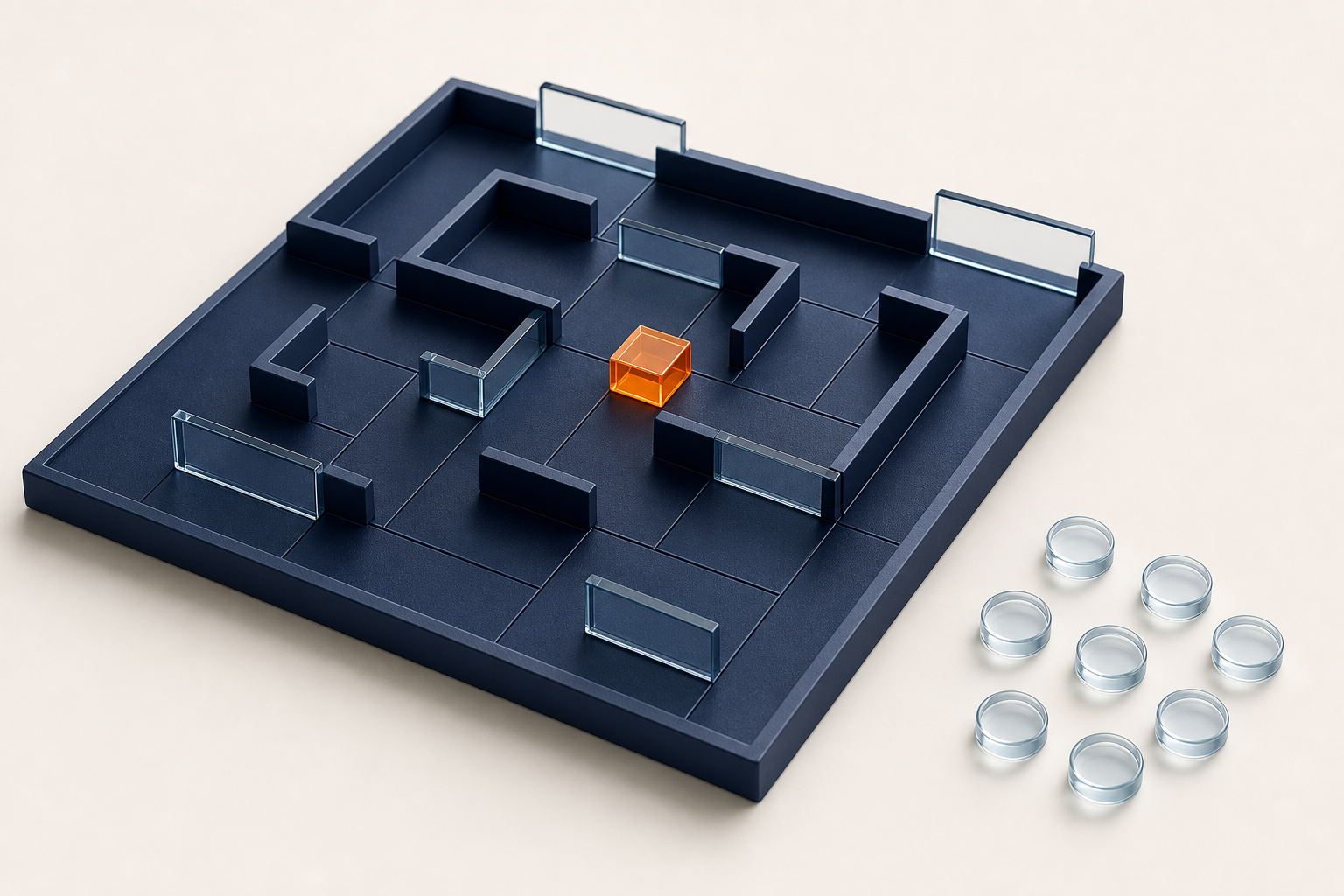
Show the part that moves
A screenshot can capture a map position, an inventory choice, or an error message. For a route, a timing decision, or a repeatable glitch, the steps leading there are usually the useful part.
Keep the screen share focused on one question: which turn to take, which action reproduces the bug, or which setting changes the result. Your friends then know what to watch and which change they are judging.
Walk through a strategy
Start from a checkpoint everyone can identify. Show one route, pause at the decision, then return to the same checkpoint before showing the alternative. Keeping the start state fixed makes the comparison easier to follow.
Reproduce a bug
State the starting conditions—location, menu state, and relevant settings—then repeat the shortest sequence that brings the problem back. If someone suggests a workaround, reset to those conditions and change one step. The group can compare two runs instead of guessing what changed.
Compare a build or setting
Show the relevant menu, name the baseline, and change one choice at a time. After each change, return to the same scene or action so viewers can compare the outcome. Keep account details, unrelated windows, and private notifications outside the surface you choose to share.
Keep your existing voice chat
If everyone is already talking in a group call, leave that conversation where it is. Use Linkside for the screen. The room has one job: show the relevant game window to the friends in that call.
Host from Chrome or Edge on a desktop computer for Linkside’s recommended experience. Friends open the room link in a supported browser. Joining does not require a Linkside account, an email gate, a download, an extension, or a plugin. For a closer look at that browser-only path, read how to share without installing anything.
From “look at this” to a live screen
Use this short routine to keep the room focused:
- Put the game in a safe state. Close unrelated windows and silence private notifications.
- Create a room, select Invite link to copy the URL, and send it through the trusted group chat you already use.
- Ask your friends to open the link and join from their browsers.
- Select Start sharing. In the browser’s picker, choose only the surface needed to show the game.
- Show the route, reproduce the bug, or test the setting. Select Stop when the answer is clear, then open the room menu and select End room.
Before a hard-to-repeat attempt, run the setup once. Ask one viewer to confirm that important text is legible and that the captured surface contains nothing unrelated. Adjust the game UI or selected surface before the real attempt.
What Linkside can and cannot see
When you select Start sharing, your browser opens its display picker. After you choose a surface, Linkside creates a separate WebRTC connection from your browser to each guest’s browser. Linkside’s signaling service passes the setup messages those browsers need to connect; it does not carry the screen or audio stream.
Linkside tries a direct browser-to-browser media route first. If the networks cannot make a direct connection, it can fall back to an encrypted TURN relay. WebRTC keeps the media encrypted between the browsers on either route; the browsers handle the keys, and Linkside-side servers do not hold them. A free room gets a five-minute trial when it needs the relay path. A licence unlocks unlimited relay use.
That does not make the service invisible. The signaling service observes that a room exists, roughly when guests join, and how long the session lasts. If the relay is needed, it observes the routing of encrypted packets. Cloudflare’s edge sees IP-level traffic to the relay endpoints. None of those systems receives the decrypted screen content. Our screen-sharing encryption explainer covers this boundary in more detail.
The signaling service keeps the temporary state needed to run the live room. After the room ends, that state moves through a short tombstone window before cleanup deletes it. When lifecycle analytics are enabled, Linkside records limited operational details such as the connection route, session duration, peak participant count, and total joins. Those details do not include the captured audio or video.
Linkside does not record the session, transcribe the audio, or analyse the screen. It keeps no persistent chat log or session-content archive. Linkside’s no-recording promise covers the service, not the choices of invited viewers. The no-recording guide explains that boundary.
The room is for a temporary look, not a permanent community space. Send the invite only to people you trust. Linkside can limit what its service does with the session; it cannot decide what your viewers do with what you show them.
Know when the small-room approach fits
Use Linkside when the job is immediate and narrow: one route, one bug, one build, and a few people you trust. It is a poor match when you need a public broadcast, a recording people can replay later, a transcript, or a lasting discussion history. Linkside deliberately does not provide those things.
A Linkside room should end when the question does. Stop sharing, end the room, and keep the longer conversation in the friend group where it started.