“Free” can describe the price even when a screen-sharing invite opens on a login form.
The viewer pays nothing, but they still have to create or recover an account before they can see the screen. For a short task between people who already know each other, that is a real demand: establish a lasting relationship with this platform before doing a temporary thing.
A free tier answers, “What will this cost?” A no-signup path answers, “What must I hand over or set up before I can join?” Those are different promises.
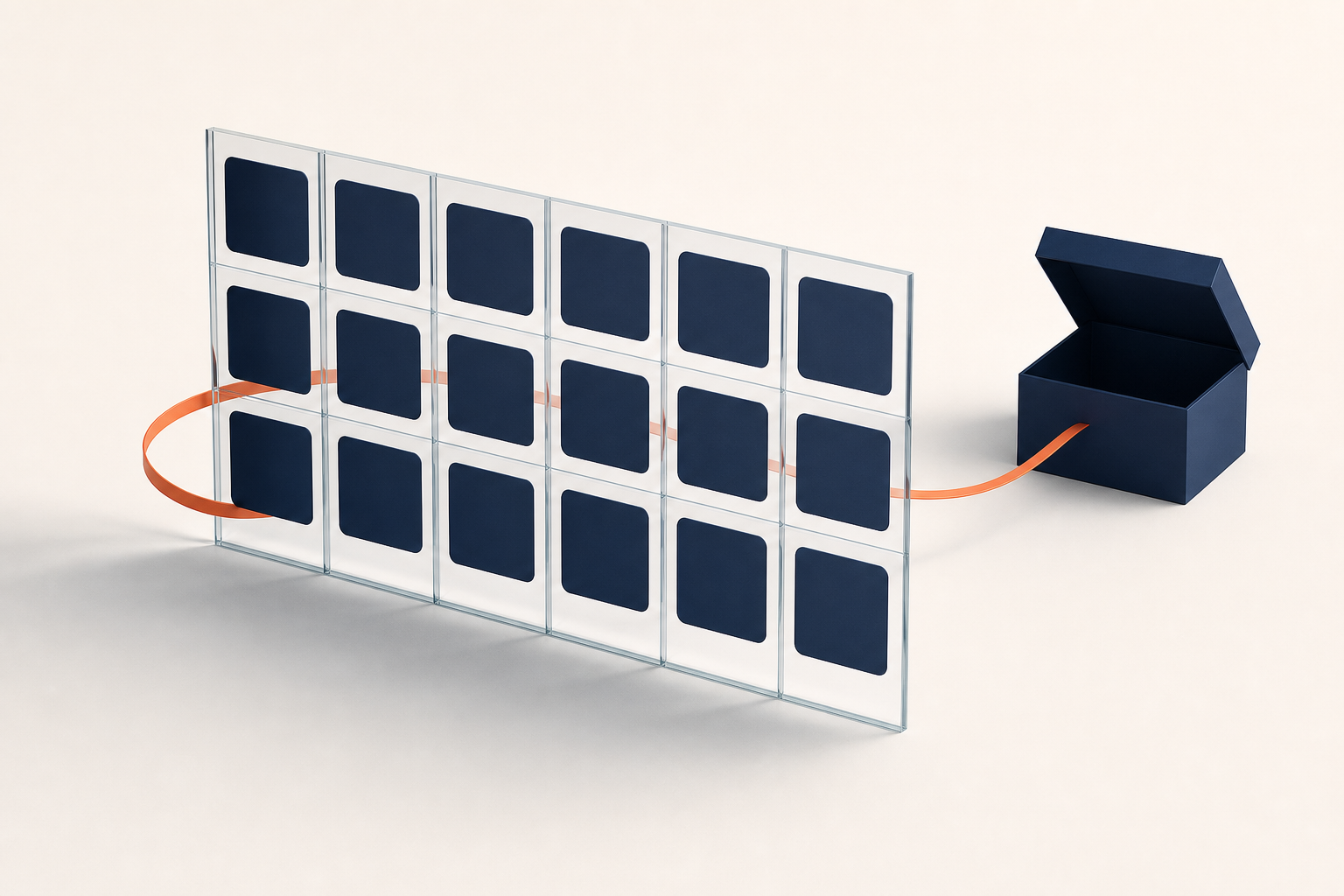
What a login wall actually establishes
A required login does not prove that a service sells data, follows people around the web, or handles data carelessly. You cannot read a provider’s motives or data practices from one join page.
The page does establish one narrower fact: room entry depends on a reusable platform identity. The viewer must present an existing account or create one before the invited task can begin.
There may be a sound reason. Accounts are useful for saved history, repeat membership, recovery, billing, and administration. But the immediate screen-sharing task is smaller: one person shows a screen and another looks. Credential creation, an email check, or a “Continue with” button adds platform enrolment before that exchange. “Look at this” becomes “join this platform, then look at this.”
That is enough to evaluate the trade without making accusations. Does this task need an identity that lasts beyond the room, or only permission to enter the room now?
Free pricing and a free path are separate
The phrase free tier login required combines two independent constraints, not a contradiction. “Free” describes the price; “login required” describes the route to access. Both can be true.
This is why free screen share no signup is a more specific request than “free screen sharing.” It asks about the whole route to the result, not just the bill. Check three things separately:
- Does the session cost money?
- Must the host or guest create a lasting identity?
- What limits apply to participants, features, or fallback connections?
A “free” badge answers only the first. The friction tax of a sign-up wall covers every extra step between intent and result. Here, the sharper issue is identity: should seeing one invited screen require a reusable platform relationship at all?
The viewer side is the real test
The host chose the tool; the invited viewer did not. The viewer receives a link because the host wants to show them something now.
That makes the viewer’s path the better test. A host can pay nothing while every invited person still has to create or recover an account because of the host’s choice.
Room-scoped guest access keeps the permission narrow: this person may enter this room for this session. It does not make them a member of the surrounding platform. That is the practical difference between joining a room and joining a platform.
How we built Linkside around the room
We built Linkside so neither the host nor the guest needs an account. The host creates a temporary room and sends its link. The guest opens it, accepts or changes a generated nickname, and joins. There is no Linkside email gate, account password, third-party login, captcha, download, extension, or plugin in that route. Desktop Chrome and Edge provide the recommended hosting experience.
A host can apply controls to the room without creating guest accounts. The Lobby holds a guest until the host approves them. A Private Room can require a password chosen by the host. Both checks apply to that room; neither creates a reusable guest profile.
Each successful join gets a fresh participant ID and random secret for that room. The browser keeps the secret in session storage and uses it for later requests in the same session. There is no lasting Linkside account ID connecting a guest’s visits across rooms.
This is the same narrow relationship described in our guide to accountless tools: remember what the task needs, not a person by default. Rooms are temporary. There is no account dashboard, saved-room list, recording, transcript, or chat history after the session.
The free limits are separate from the login policy
A Free Room supports two participants in total. Linkside first tries to connect their browsers directly with WebRTC. If the direct path fails, the host can claim the room’s single five-minute trial of the encrypted TURN relay. Activating a licence key removes that relay time limit and raises the room maximum to four participants. It changes what the room can do; it does not create an account for the host or guest.
No account does not mean no operational data. The signaling service can observe that a room exists, roughly when guests join, and how long the session lasts. If the relay is used, it can observe the routing of encrypted packets, and Cloudflare’s edge sees IP-level traffic to the relay endpoints. The media remains encrypted, and Linkside does not hold the browser’s media keys.
Linkside does not pair those observations with a Linkside account identity. It does not record sessions, retain chat history, transcribe audio, or analyse the screen. This distinction matters: accountless access reduces the identity Linkside asks for, but it does not make the network machinery invisible.
Read the promise from the join page
When you evaluate a free screen share, set the badge aside for a moment and follow the invited viewer’s path. Ask:
- Can they reach the room without creating an account?
- Does it ask for contact details or a reusable identity before entry?
- Are room controls scoped to this session, or tied to a lasting profile?
- What disappears after the session, and what operational data remains?
- What limits apply to participant count, features, and fallback connections?
An account can be a sensible trade when a workflow needs persistent membership, shared history, recovery, or administration. For a one-off screen share, it is fair to ask why the viewer needs a reusable identity before entering the room.
Linkside keeps the boundary narrower: create a temporary room, send its link, and let the guest join without an account. Create a room to use that path.